
This Guy build his SAAS using No code tools and sold to No code tools for $400k.
From Idea to Acquisition: The Practical Steps Behind Makerpad Success and How You Can Apply Them

Hey Everyone,
This week I’m here with a Successful SAAS story which is build using no code tools and sold to no code tools (Zapier). Yeah, you're thinking right this story is bit different from other Stories. This post shares how Ben Tossell marketed Makerpad to reach $400K ARR. I've also included a step-by-step guide at the end so you can follow the same approach.
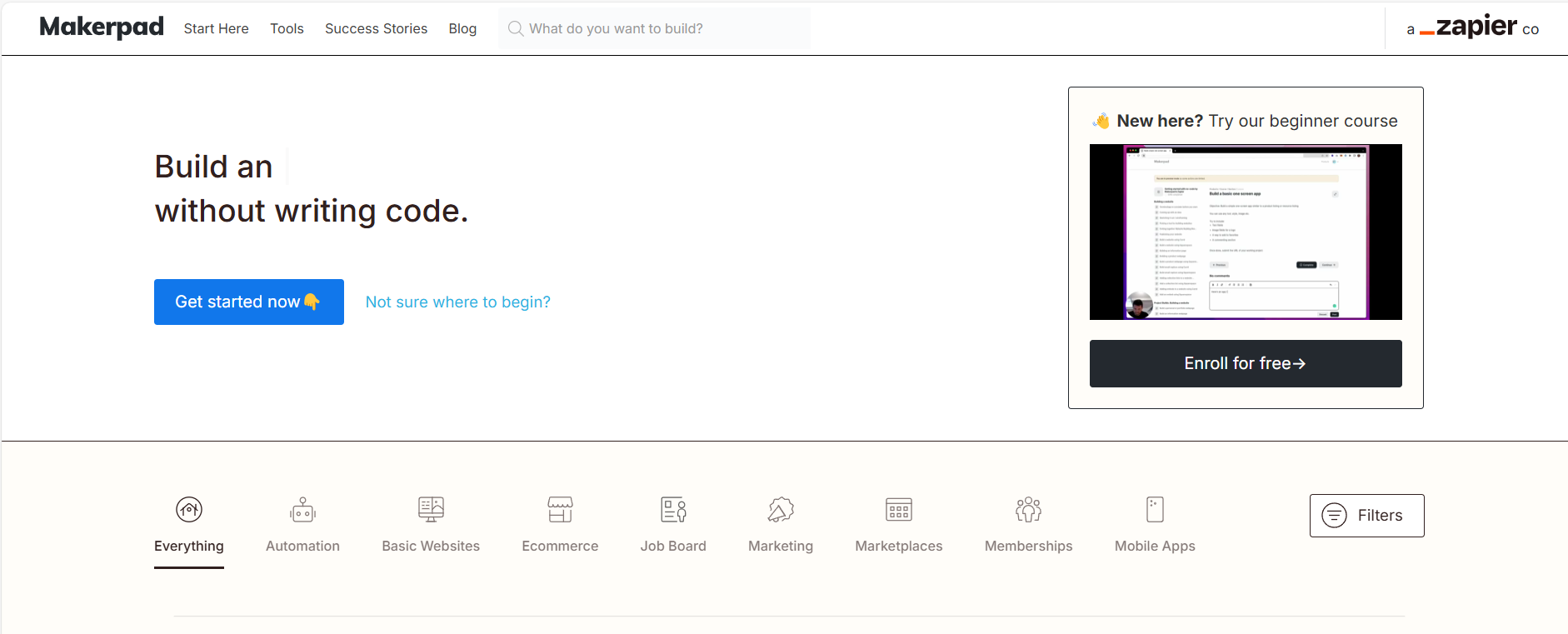
Today we are Discussing about Ben Tossell who build Makerpad using no code tools. I promise you that you can learn so many things from this post.
What we can learn:
Ben Tossell Background
How He Came Up with the Idea for Makerpad
Finding His Place in the Market
How He Marketed Makerpad
How Ben Tossell Earned His First Dollar with Makerpad
How Makerpad Reached $240K ARR
Let’s Go,
BenTossell Background:

Before starting Makerpad, Ben worked at different startups. He noticed that many people had great ideas but couldn’t build products because they didn’t know how to code. This gave him the idea to help people build things using no-code tools.
How He Came Up with the Idea for Makerpad:
Ben realized that no-code tools like Webflow, Airtable, and Zapier were powerful, but most people didn’t know how to use them properly.
Instead of just telling people about these tools, he decided to create simple, step-by-step tutorials showing how to build real projects using no-code tools. That’s how Makerpad started.
Finding His Place in the Market:
Instead of competing with coding platforms, Ben targeted:
People with startup ideas but no coding skills
Freelancers who wanted to create websites or tools for clients
Small business owners who wanted to automate tasks
By focusing on this group, Makerpad became a go-to resource for people who wanted to build without coding.
How He Marketed Makerpad:

Ben didn’t spend a lot of money on ads. Instead, he focused on:
Product Hunt Launch: He introduced Makerpad on Product Hunt, where tech enthusiasts gather.
Sharing Tutorials: He regularly posted useful content that showed people how to build real things using no-code tools.
Engaging on Twitter: Ben actively answered questions and joined conversations in the no-code community.
Offering Free Content: Some tutorials were free, giving people a taste of what Makerpad offered before asking them to pay for premium content.
This simple yet effective approach helped Makerpad grow.
How Ben Tossell Earned His First Dollar with Makerpad:
Ben’s first income from Makerpad came from selling simple, helpful tutorials.
Focused Tutorials: He created guides like “How to build a job board with Webflow” and “How to automate tasks with Zapier”. Each tutorial solved a clear problem, making it easy for people to see the value and pay for it.
Community Support: Ben actively participated in no-code groups, answering questions and sharing tips. This helped him understand what people struggled with, so he could create tutorials that solved real problems.
How You Can Do It:
Identify Common Problems: Find simple but useful problems your target audience faces.
Create Easy-to-Follow Solutions: Build clear tutorials, templates, or resources that solve those problems.
Join Online Communities: Engage in relevant groups (like Reddit, Facebook, or Discord) and share your solutions.
How Makerpad Reached $400k ARR:
Ben grew Makerpad’s revenue by making smart choices:
Membership Model: Instead of selling individual tutorials, Ben introduced a membership plan where people paid monthly or yearly for full access. This created steady, predictable income.
Partnering with No-Code Tools: Ben partnered with platforms like Webflow and Glide to showcase their tools in his tutorials. These partnerships helped Makerpad reach a wider audience.
Regular Content Creation: Ben kept sharing new tutorials, case studies, and practical guides. This kept existing members engaged and attracted new subscribers.
How You Can Do It:
Offer Membership Plans: Once you have a few useful resources, consider a subscription model for steady income.
Partner with Related Brands: Reach out to tools or services that align with your content.
Be Consistent: Regularly add fresh content to keep your audience engaged.
How Zapier Acquired Makerpad:

Zapier bought Makerpad because it was a perfect fit for their business. Here's why:
Useful Content for Zapier’s Users: Makerpad’s tutorials helped people understand no-code automation — something Zapier is all about. Buying Makerpad allowed Zapier to expand its educational content.
Proven Profitability: By the time Zapier acquired Makerpad, it was generating $400,000 in annual revenue. This proved that Makerpad wasn’t just popular — it was a profitable business.
Strong Community: Makerpad had over 10,000 active members who trusted the platform. This loyal audience made Makerpad even more valuable to Zapier.
How You Can Do It:
Create Content That Supports Bigger Brands: Focus on solving problems that align with what larger companies offer.
Build a Reliable Income Stream: Even modest but consistent revenue shows your platform’s value.
Focus on Building a Community: Engage with your audience, respond to their needs, and foster a loyal group of users.
How You Can Follow Ben’s Path a Simple Guide:
Here’s a step-by-step plan you can follow to build your own successful product:
Spot a Problem: Find a common challenge people face. Ben noticed people struggled to use no-code tools.
Pick a Niche: Focus on a specific group of people. Ben targeted non-technical founders and entrepreneurs.
Create Helpful Content: Start by solving simple problems with tutorials, guides, or resources.
Start Small: Don’t try to build a huge platform right away. Focus on helping people with one or two useful solutions.
Share Your Work: Use social platforms like Twitter, LinkedIn, or Reddit to engage with your target audience.
Offer Free Value: Give people a taste of what you offer before asking them to pay.
Be Consistent: Success takes time. Keep showing up and providing value.
Monetize Smartly: Start with small payments for individual content, then expand to memberships or premium features.
Position for Acquisition: Once your product gains traction, look for partnerships or companies that might find your platform valuable.
I hope this post helps to learn so many things about Ben Tossell’s and his product. Subscribe to my Newsletter every week I will post content. Which will help you to grow in your life.
This is highly informative. Thank you!
Thanks for sharing! It's inspiring to see how someone like Ben has broken down their journey into such actionable steps.